
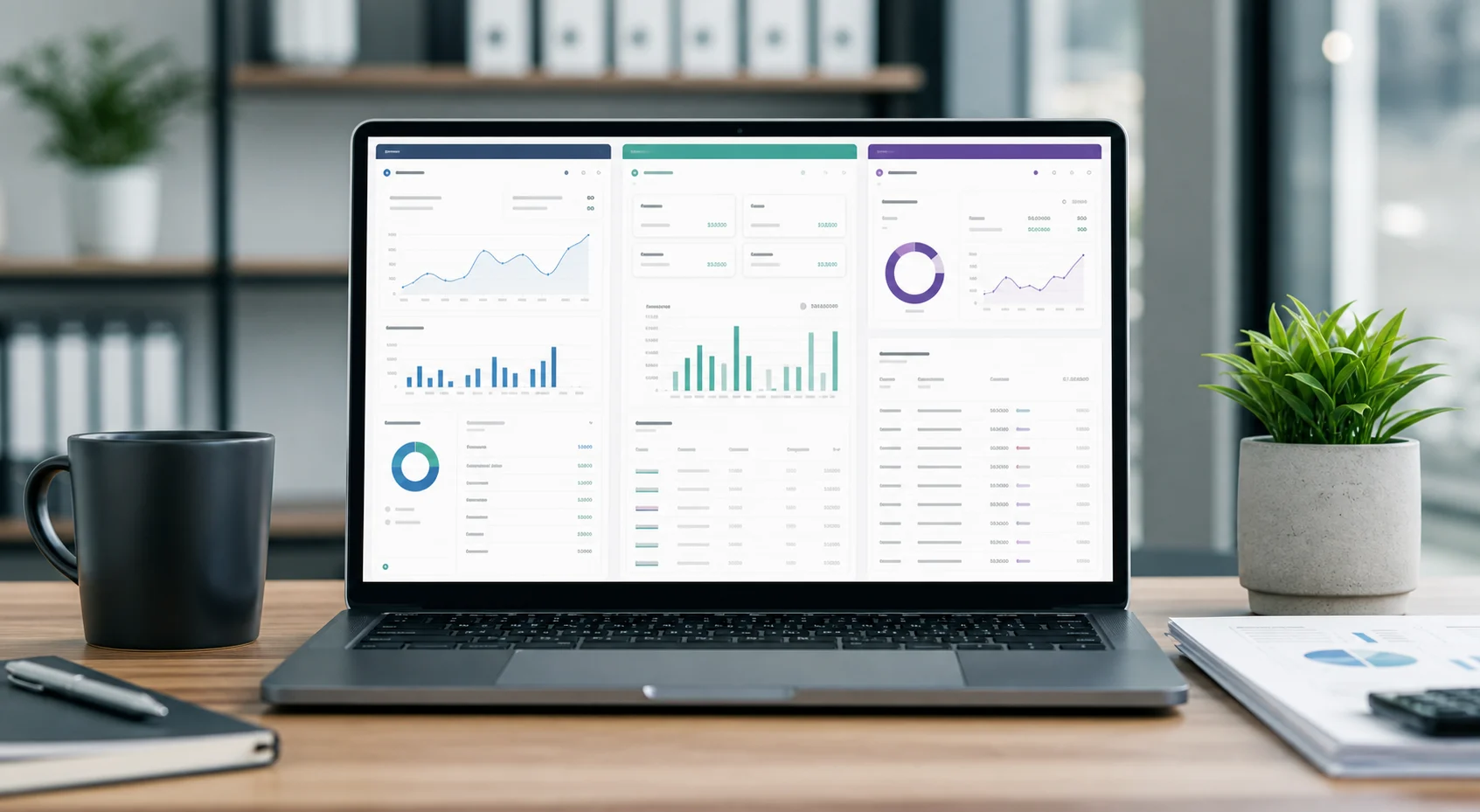
Xero, QuickBooks, and FreeAgent are three of the most popular accounting platforms for UK small businesses. They all handle invoicing, bank feeds, and MTD VAT returns. The right choice comes down to your business type and budget.
Xero vs QuickBooks: which is better for UK small businesses?
Xero suits growing businesses that need lots of integrations and reliable bank feeds. QuickBooks works well for businesses with more complex VAT needs and detailed reporting. Both are MTD-compatible and widely used across the UK. Xero has a large third-party app marketplace. QuickBooks is often preferred for its built-in reporting tools.
Xero offers five plans for UK businesses. Simple is for non-VAT sole traders and landlords. Ignite is the entry-level plan for small businesses. Grow adds unlimited invoicing and automated bill entry. Comprehensive adds multi-currency support for international work. Ultimate adds advanced reporting and analytics. Xero also connects to a large marketplace of third-party apps and integrations.
QuickBooks UK has Simple Start, Essentials, and Plus plans. Simple Start covers basic bookkeeping and MTD VAT filing. Essentials adds bill management and multi-currency. Plus adds inventory tracking and project profitability. QuickBooks also runs regular promotions on pricing.
Pricing. Both platforms use tiered pricing, so the plan you choose depends on the features you need. Check current rates on Xero’s UK pricing page and QuickBooks UK pricing before you decide. Prices change with promotions and plan updates.
Best for. Xero usually suits limited companies with several workflows. QuickBooks often suits businesses that need detailed financial reports. It is also a common choice when your accountant already uses it.
Which is better, Xero or FreeAgent?
It depends on your business type. Xero works better for growing businesses with more complex needs and multiple integrations. FreeAgent works better for freelancers, contractors, and sole traders who want a simpler UK-focused tool. Some NatWest, RBS, and Ulster Bank account holders can get FreeAgent free.
Xero covers a broader range of business needs. It works well for limited companies with complex workflows and multiple users. Xero’s app marketplace includes payroll, stock management, CRM, and more.
FreeAgent was built for UK freelancers and contractors. It handles invoicing, expenses, payroll, VAT, and self assessment tax return support from one place. You can file your self assessment directly to HMRC without leaving FreeAgent. That is unusual for a platform at this price.
FreeAgent is also part of NatWest Group. NatWest, RBS, and Ulster Bank business account holders can access FreeAgent free. Check the current terms with your bank.
Visit FreeAgent’s pricing page to see the current plans.
Is FreeAgent recognised by HMRC?
Yes. FreeAgent is fully compatible with Making Tax Digital for VAT. HMRC recognises it as approved MTD software. You can keep digital records and submit your VAT returns directly to HMRC. All VAT-registered businesses must now use MTD-compatible software. FreeAgent meets this requirement.
All VAT-registered businesses in the UK must file under Making Tax Digital. This has been mandatory since April 2022. You must use HMRC-approved software to keep digital records and file returns.
FreeAgent lets you generate MTD-compatible VAT returns as you go. You file directly to HMRC from inside the platform. It also supports MTD for Income Tax as HMRC rolls out digital requirements.
Xero and QuickBooks are also HMRC-recognised and appear on HMRC’s list of compatible MTD software. All three platforms support MTD VAT filing.
If you use spreadsheets, you will need MTD-compatible software or bridging software. These connect your records to HMRC’s systems and meet digital record-keeping rules.
Is FreeAgent as good as QuickBooks?
They serve different markets. FreeAgent is designed for sole traders, freelancers, and limited company contractors. QuickBooks works better for businesses with more complex reporting needs and bill management. The right choice depends on your business type and what you need the software to do.
Where FreeAgent wins:
- Built for UK freelancers, contractors, and small businesses
- Covers self assessment, VAT, and corporation tax in one place
- Simpler interface with a short learning curve
- Can be free with certain NatWest Group business accounts
- Good for sole traders who want everything in one platform
Where QuickBooks wins:
- Stronger reporting and clearer financial dashboards
- Better for businesses with stock, suppliers, or multiple projects
- Direct payroll integration in the UK
- Widely used by UK accountants for client work
- More flexibility at higher plan tiers
Both platforms are MTD-compatible and both connect to HMRC. Both handle invoicing, bank feeds, and basic bookkeeping. The difference is depth and focus. FreeAgent is built around the UK self-employed experience. QuickBooks is built for broader business complexity.
Which accounting software should you choose?
Choose FreeAgent if you are a freelancer, contractor, or sole trader. Choose Xero if your business is growing and you need more integrations. Choose QuickBooks if you want strong built-in reporting and your accountant already uses it. All three handle MTD VAT and UK tax obligations.
Here is a quick decision guide:
Choose FreeAgent if:
- You are a freelancer, sole trader, or limited company contractor
- You want to handle self assessment, VAT, and corporation tax from one place
- You bank with NatWest, RBS, or Ulster Bank, and it is included free
- You want a simpler UK product built for this market
Choose Xero if:
- You run a limited company with multiple users or complex workflows
- You need to connect to other software tools and apps
- You want a platform that can grow with your business
Choose QuickBooks if:
- You need detailed financial reports for decision-making or investors
- Your business handles stock or multiple projects
- Your accountant already uses QuickBooks for client work
- You want built-in payroll in a single platform
A word on accountants. Both Xero and QuickBooks are popular with UK accountants. Ask your accountant which platform they prefer before you choose. Using the same software saves time at year end and can reduce your accountancy costs.
Whatever platform you use, bookkeeping support for small businesses helps keep your records accurate. The software is only as good as the records behind it.
Need help choosing a platform or keeping your books in order? DASA’s bookkeeping service covers software setup, ongoing transaction coding, and year-end preparation.
This article covers three accounting software platforms in June 2026. Features and pricing change regularly. Visit each provider’s website for current plans and terms.